Author: Caswinii, Gnanathasan
Water is fundamental to human life as well as necessary. It keeps lubricating our joints, hydrated our skin, and healthy our world.
Water is an essential element of planet earth that us humans need. Some countries benefit with clean drinking water, some need to walk far distances for this human right and some don’t even have access to the most important need for life, water.
Bottled water is what many people like to use for long road trips, school, a walk to the park, bought at a stop at the gas station and so much more. Here’s the real question, Do you really know what you are consuming within every sip of that nicely packaged bottled water?
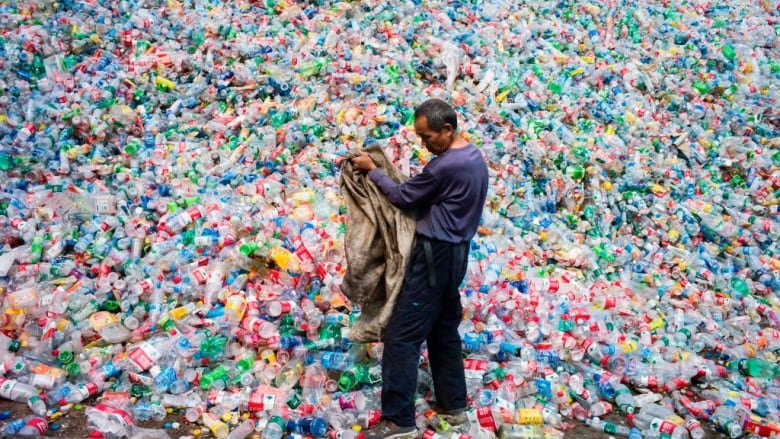
A 2018 study released by “Orb Media” estimated that on average, a litre of bottled water from big brands like Dasani, Aquafina, and Nestle, contains roughly 10.4 plastic particles. Studies have shown that much of today’s microplastic waste in drinking water comes from two main sources: polypropylene, a traditional bottle cap material, and polyester and polyethylene terephthalate, also making disposable water bottles.
Ben Lecomte, who completes a 331 nautical mile paddle through the Pacific Garbage Patch, a swirling garbage vortex in the ocean between Hawaii and California, told Business Insider recently that “the most disgusting thing is the amount of microplastic that we capture in our nets every day.”

The 11 brands tested include the world’s dominant players — Nestle Pure Life, Aquafina, Dasani, Evian, San Pellegrino and Gerolsteiner — as well as major national brands across Asia, Africa, Europe and the Americas. Researchers found 93 per cent of all bottles tested contained some sort of microplastic, including polypropylene, polystyrene, nylon and polyethylene terephthalate (PET).Researchers found that 93% of all bottles tested contained some kind of microplastic, including polypropylene, polystyrene, nylon and terephthalate polyethylene (PET).
We have no clear evidence that the form of plastic microparticles found in the study of drinking water that reach the bloodstream or have a negative effect on human health.These particles do, however, have a number of potentially harmful effects. These may cause inflammation, an immune response to anything known as “foreign,” as with other particles, such as those from air pollution.
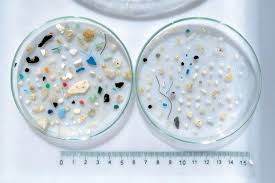
The typical human stool sample contained at least 20 bits of microplastic in one study from Austria. Nevertheless, estimating the amount of plastic people ingested accurately is difficult, the lead author of the new study, Kieran Cox, noted. That’s because the 26 studies used in the study included food sources that only account for about 15% of the daily diet of people.
You might think well why do we care? There are many reasons that have a huge impact on us, for example. We don’t want the hospitals filling up by many people getting contaminated by microplastics, BPA etc. Rather than the people who need severe help and can not do anything to cure themselves. Whereas people getting contaminated by plastic can cure themselves by not drinking bottled water. Us who live in the more developed countries have access to clean drinking water which is also free.
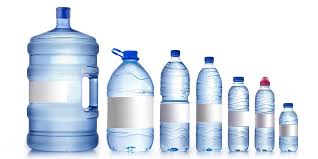
Do more but at the same time less to keep yourself and loved ones safe by not consuming bottled water. You’re doing many living things a favour such as the marine life, less plastic bottles will be released into the open oceans, the seafood we eat will not be as contaminated with plastic than it is now and so much more. Just grab yourself a reusable water bottle, fill it up at the tap and just feel good about yourself. Think about it…..the future is in your hands.
 What really is in bottled water?